1
A parent sets it up
Pick chores from a ready-made library or write your own, add goals, and set what each one is worth. Recurring routines repeat themselves.
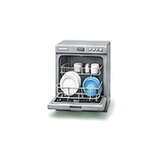 Empty the dishwasher10 pts
 Read for 20 minutesGoal
Chores and encouraging personal goals in one calm routine. Children contribute, parents approve the effort, and progress becomes rewards your family chooses.
Available on the App Store for iPhone & iPad, or use HomeCrew in any browser.
Three steps a seven-year-old understands and a parent never has to police.
Pick chores from a ready-made library or write your own, add goals, and set what each one is worth. Recurring routines repeat themselves.
Empty the dishwasher10 ptsRead for 20 minutesGoalEach child sees only their own list — no rankings, no comparing. They tick the task off and can add a photo if your family wants one.


Nothing is awarded without a parent's nod. Points turn into rewards your family agreed on — pocket money, a treat, extra time together.
 Pocket money120 pts
Chores build contribution at home. Goals recognise effort beyond it — always effort, never grades, winning or popularity.
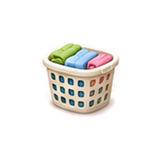
Everyday household responsibilities, from the dishwasher to the laundry basket — one-off or recurring, with point values you set.
 Set the table
 Take out the bins
 Feed the pet
 Fold laundry
+ 30 more
Fold laundry
+ 30 more

Encouraging personal-development steps across four areas — private to each child, parent-approved, and focused on what they can influence.




Thoughtful effort, courage and steady progress are what earn points — not results.
A parent sets each task, defines a good effort, and approves before any points are awarded.
Every list is personal. There are no rankings and no public leaderboards — ever.
A long-running University of Minnesota study followed young people into their mid-twenties. Taking part in household tasks from an early age was the single best childhood predictor of later success — in education, careers, relationships and self-reliance.
Source: Rossmann, M. (2002), University of Minnesota — longitudinal study of 84 young adults, often popularised as the “Harvard study on chores”.
Four promises, in plain language.
No public profiles, no messaging outside the family, and no sibling leaderboards. Each child has a protected personal space.
HomeCrew carries no advertising and never sells family information. Photos are used only for your family's own chore workflow.
Information lives on your device unless a parent turns on browser access. Codes, PINs, photos and history are never shown publicly.
HomeCrew doesn't move money or control Apple Screen Time. It records the rewards your family agrees on — you apply them.
Read the Privacy Policy in plain language, or ask support.
Every feature, your whole family — no ads, no card, no charge per child. Use HomeCrew on iPhone, iPad or in any browser.
Already have a family? Sign in and connect this browser →
Connect this browser using the temporary Family code shown in HomeCrew under Parent Settings → Browser access. You can scan the QR code or enter the eight-character code below.
New here? Get started →
On a parent's device, open HomeCrew → Settings → Browser access → Connect another device, then scan the QR code shown there.
Already connected on this browser?
Open HomeCrew & choose a profileAfter connecting, you can choose a profile and optionally protect it with a four-digit Profile PIN on this device. Family codes are temporary, work once and expire after 10 minutes — HomeCrew never asks for a Browser access PIN.
Short reads on chores, goals and rewards — written in-house and checked against primary sources.

What children can realistically do at each age — matched to readiness, focused on effort.

Both sides of the debate, what the research says, and a calmer middle way.

Why making screens the prize can backfire — and how to handle it calmly.

Children contribute, parents notice the effort, and steady progress leads to rewards your family chose together.